Year 4 · 06 / 09
Immersive experiential learning
The President’s Innovation Fund VR program at Skyline College.
Opening up another way to learn
Seeing students immersed in a virtual world was the moment the purpose of this program felt real to me. I wanted to bring them experiences they might otherwise miss and give them another way to connect with what they were studying. Through the President’s Innovation Fund (PIF), I have been developing the VR program around that idea of experiential learning. Second-year funding is supporting additional headsets and the continued development of the program.
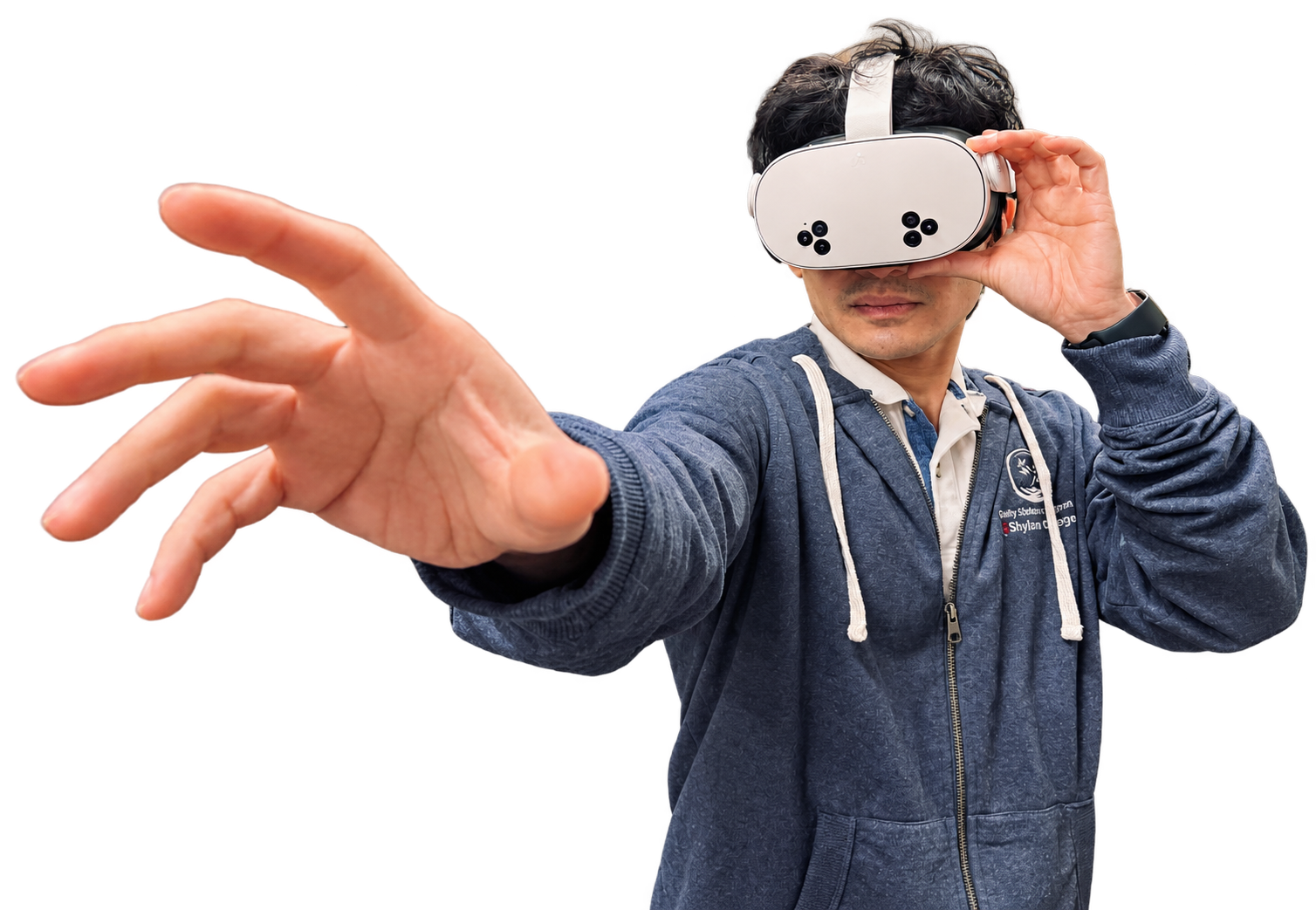
Connecting the textbook with experience
For BIO 250 Human Anatomy, I identified the VR app and worked closely with Simantini Karve, who teaches the course and serves as our VR program strategist. She tested the app and helped plan how to introduce it to students. Harry Tun, our program assistant, helped coordinate scheduling.
Students could see the body in motion through muscle movement animations, explore detailed microanatomy models, and use “Ant Mode” to shrink their viewpoint and examine structures from a different perspective.
Seeing students immersed in that experience was meaningful to me. They could connect textbook illustrations with moving 3D models and explore details that would otherwise be difficult to see. This is what I hope to offer through the program: another way into a subject that gives students room to explore and make connections.
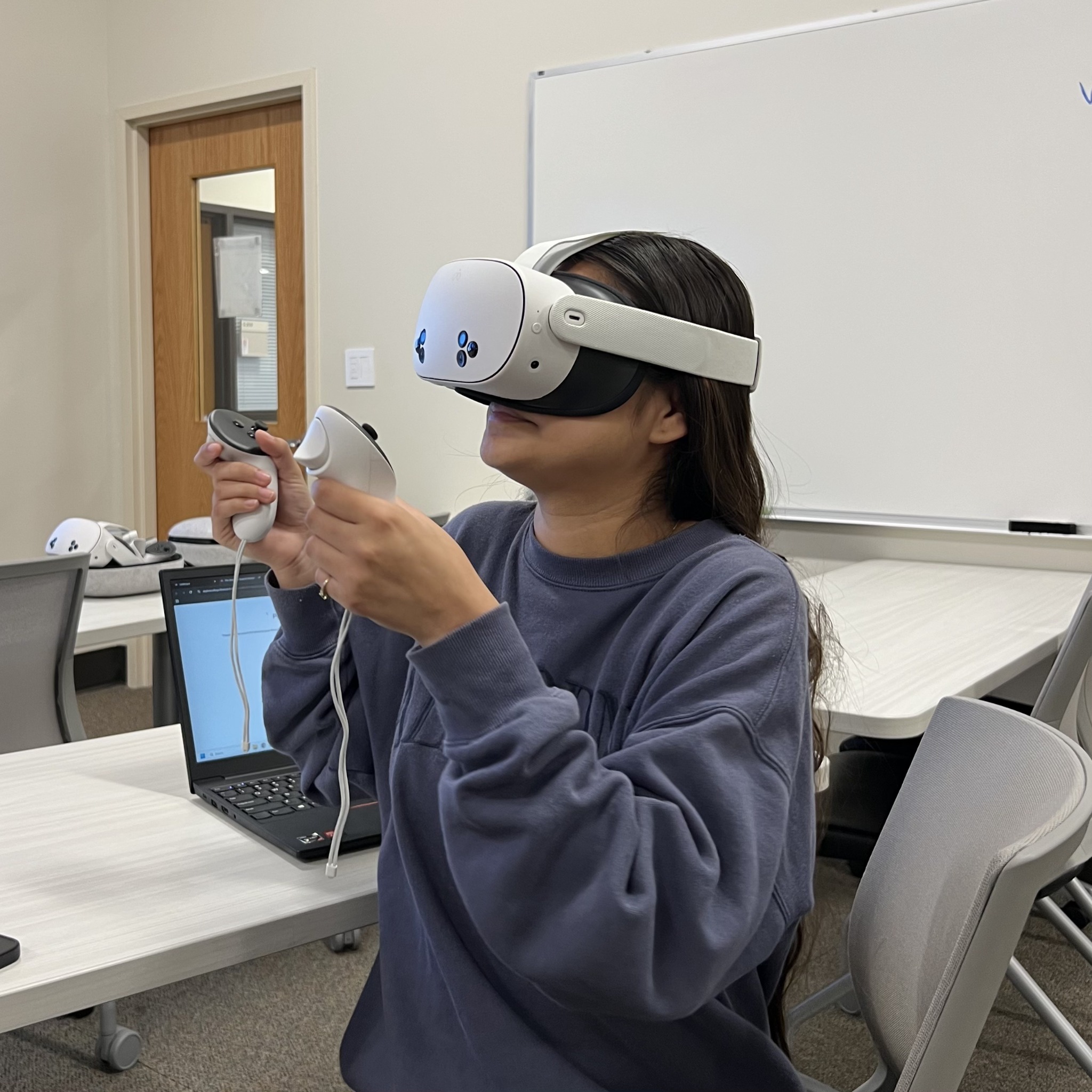
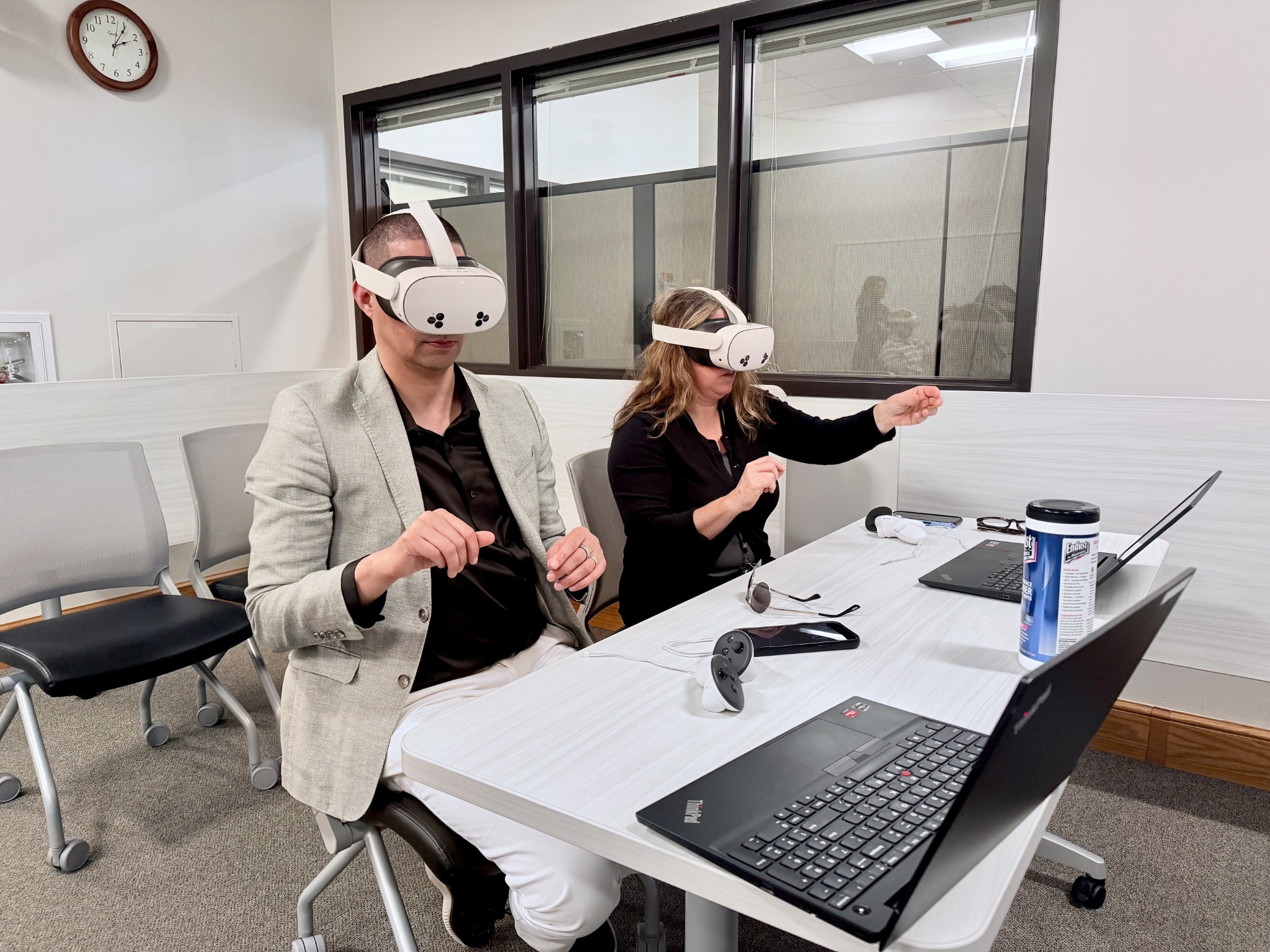
A moment from a VR session
Extending the experience to another discipline
To extend the program into Ethnic Studies, I identified MLK: Now Is the Time and connected with Dr. A. to explore its use in the course. The experience uses first-person stories and interactions to explore themes from Dr. King’s speech and ongoing systemic inequities. We agreed to introduce it in Spring 2027 because of delays in receiving the new equipment.
Keeping the program moving
Keeping the VR program moving takes ongoing conversations with different groups across our college community. I continue building relationships within Skyline and beyond the college to find expertise, explore new technology, and connect those opportunities with our teaching needs.
Harry Tun’s support with scheduling, marketing, and inventory has been a great help in keeping the program running. That practical support gives us a foundation for bringing these experiences to more students and faculty.
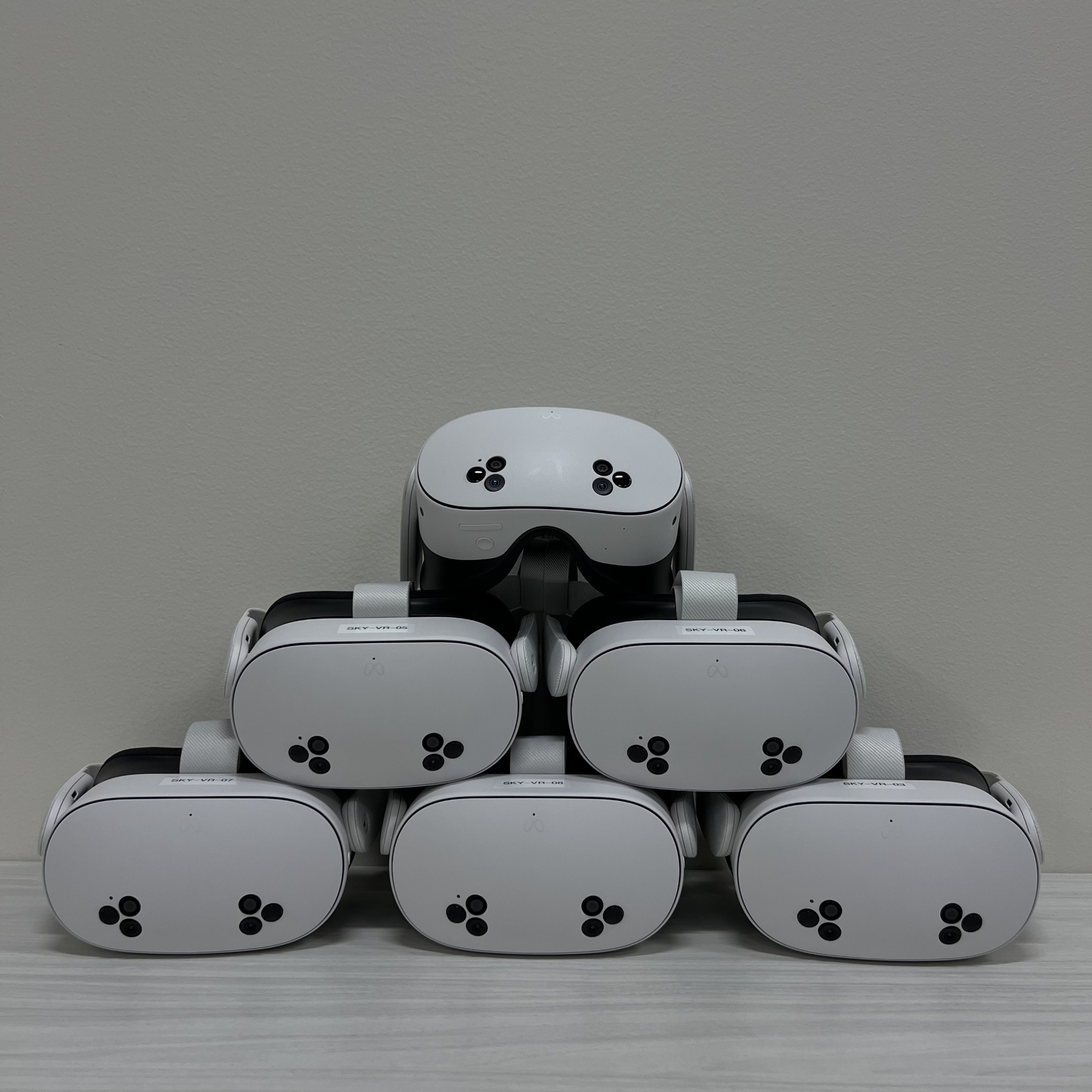
I see the PIF VR program as complementing the planned Dreamscape Learn offering in Skyline’s Innovation Hub. By identifying existing VR applications and working with faculty to connect them to their courses, we can offer experiences in areas that may not yet be covered as the Hub develops.
The program has also helped me build connections with the Chancellor’s Office AI Fellows and bring their expertise to our community. My collaboration with Dominique Wu on Spatial AI/XR is one example of how this work has grown from introducing VR experiences to creating opportunities for faculty to explore their teaching possibilities.
More about these collaborations